

json
{ “Title”: “Top Ways to Use Your Car as Collateral for a Loan“, “MetaDescription”: “Discover the top options for using your car as collateral for a loan, from EZ Car Title Loans to credit unions. Compare rates, terms, and eligibility.”, “article_html”: “
Your car can do more than get you from A to B. If you own it outright, it can also get you cash fast by using it as collateral for a loan. Here are the five best ways to do that, who each option works best for, and what you need to watch out for before you sign anything.
nn
1. EZ Car Title Loans (Our Top Pick) , Fast, Multi‑State Title Loans
nn
EZ Car Title Loans connects vehicle owners with lenders who offer secured loans against a car title. It is not a direct lender, so APR and terms vary by lender and state. What it does well is match you quickly with lenders in your area who focus on your vehicle’s equity rather than your credit history.
nn
This option works best for people who need same-day cash and have a clear, lien-free title in their name. The application is short. You provide basic details about your vehicle, and the platform connects you with lenders who can move fast. You keep driving your car throughout the loan term. The lender holds your title, not your keys.
nn nn
Loan amounts are typically based on 25% to 50% of your vehicle’s current market value. So if your car is worth $10,000, you might qualify for $2,500 to $5,000, depending on your state and the specific lender. EZ Car Title Loans operates across multiple states, though availability varies, so check your state’s eligibility before applying.
nn
The honest caveat: title loans carry real risk. If you default, the lender can repossess your vehicle. Always read the full loan agreement, ask for the APR in writing before signing, and make sure you have a realistic plan to repay. If you have trouble paying, act early and contact your lender before you miss a payment.
nn
nn
2. Local Credit Unions , Lower Rates, Membership Required
nn
Credit unions are member-owned financial institutions. They often offer personal loans or auto equity loans at significantly lower interest rates than title loan companies. If you already have a relationship with a credit union, this is worth exploring before anything else.
nn
The big advantage is cost. Where a typical title loan can carry a monthly finance fee of up to 25% (roughly 300% APR), a credit union personal loan secured by your vehicle might come in at a fraction of that. Navy Federal Credit Union notes that some title loan rates reach 300% per year or more, and recommends exploring personal loans as a lower-risk alternative.
nn
The catch is membership. Most credit unions require you to belong before you can borrow. Eligibility is tied to your employer, your location, or a community group. If you are not already a member, joining takes time. And even after joining, approval for a secured loan depends on your income and credit profile more than a title lender would require.
nn
Credit unions also tend to offer longer repayment terms. A 12- to 36-month loan gives you more breathing room than the 30-day terms common with storefront title lenders. If your situation is not a true emergency and you have a few days to spare, a credit union loan is worth the extra step.
nn
3. Online Title Loan Lenders , Quick Application, Nationwide Service
nn
Online title loan lenders let you start the entire process from your phone or laptop. No branch visit required. You submit your vehicle information, upload photos for inspection, and get a loan offer within hours. Funds often arrive the same day or the next business day via direct deposit.
nnnn
The convenience is real. But so are the costs. The Federal Trade Commission reports that title loans often carry monthly finance fees as high as 25%, which translates to an APR of around 300%. On top of that, some lenders add processing fees, document fees, and origination charges. Always ask for the total cost of the loan before you agree to anything.
nn
Federal law requires lenders to disclose the finance charge and the APR in writing before you sign. Use that APR number to compare lenders directly. A lower monthly fee sounds good until you see what it adds up to over a 90-day term.
nn
One important protection: if you are active military, the Military Lending Act caps the Military Annual Percentage Rate at 36% on title loans and most other consumer credit products. That is a hard ceiling lenders cannot exceed for covered borrowers.
nn
Online lenders are best for borrowers who live far from a physical storefront or who want to compare multiple offers without driving around. Just verify that the lender is licensed in your state. Many states require lenders to register before operating, and some states restrict or prohibit title lending entirely. Check with your state attorney general’s office if you are unsure.
nn
nn
4. Payday Loan Stores , Immediate Cash, Higher Fees
nn
Many payday loan storefronts also offer title loans. You walk in, show your title, and walk out with cash the same day. The process is fast, the paperwork is minimal, and the staff are used to handling urgent situations.
nn
Speed is the main draw. If you need cash in the next two hours and have no other option, a payday loan store can deliver. Some locations stay open late or on weekends, which matters when a financial emergency does not follow a 9-to-5 schedule.
nn
The cost is the problem. Payday-style title loans often come with the shortest terms and the highest fees in the market. Thirty-day loan terms are standard. If you cannot repay in full by the due date, many lenders will roll the loan over into a new term, adding a fresh fee each time. That cycle is how a $500 loan turns into a $1,500 debt over a few months.
nn
Payday loan stores are best used as a last resort when every other door is genuinely closed. If you do use one, borrow the smallest amount that solves your immediate problem, and have a concrete plan to pay it back before the due date. Rolling over a title loan even once adds significant cost and puts your vehicle at greater risk.
nn
Also worth knowing: some states have banned or tightly restricted payday-style title loans. Before you walk in, confirm the store is licensed and operating legally in your state. Your state’s consumer protection office can tell you what rules apply.
nn
5. Peer‑to‑Peer Lending Platforms , Flexible Terms, Community Funding
nn
Peer-to-peer (P2P) lending platforms connect individual borrowers with individual investors rather than a traditional bank or title lender. Some P2P platforms allow secured personal loans where you list your vehicle as collateral, though this varies by platform and state.
nn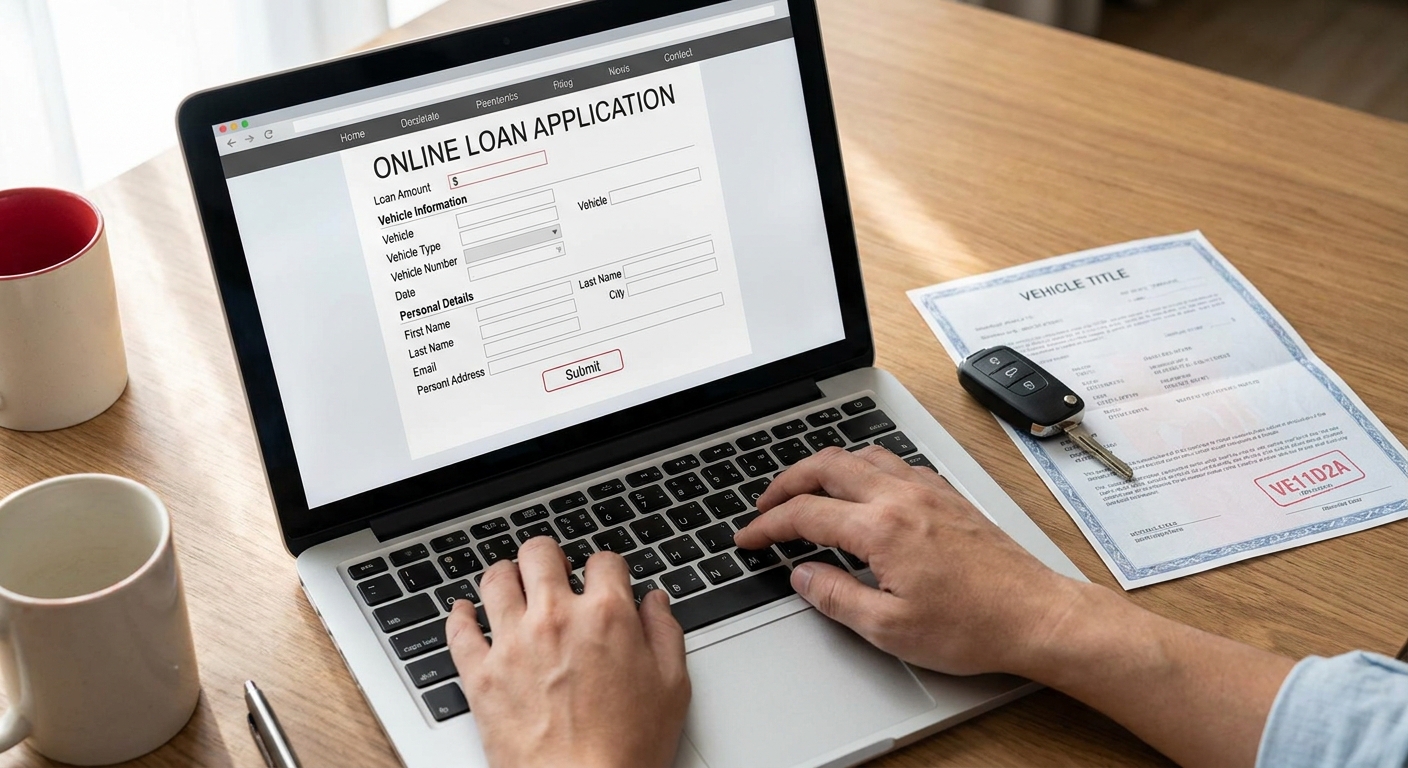 nn
The appeal is flexibility. P2P lenders often offer longer repayment terms than a title loan store, and interest rates can be lower if your application looks strong. Because funding comes from individual investors rather than a single institution, some platforms are willing to consider borrowers that traditional banks would turn away.
nn
The tradeoff is time. P2P loans take longer to fund than a title loan. Depending on the platform, it can take several days for enough investors to fund your loan request. If your need is immediate, that delay is a real obstacle.
nn
P2P platforms also tend to run a credit check as part of the application, which matters if your credit score is low. Some platforms specialize in borrowers with fair or poor credit, but the rates they offer in those cases may not be much better than a credit union or online title lender. It is worth running the numbers before committing. Managing your personal finances carefully, much like businesses use outsourced bookkeeping services to stay on top of cash flow, can help you qualify for better loan terms across any of these options.
nn
P2P lending works best for borrowers who have a few days to wait, want to avoid the title loan market entirely, and have a vehicle with solid equity to offer as security. It is not the right fit for a same-day emergency.
nn
Comparison Table: Key Features of Each Option
nn
Use this table to see how each option stacks up on the factors that matter most when you need to use your car as collateral for a loan.
nn
nn
One thing every option above has in common: your vehicle is on the line. Defaulting on any secured loan where your car is the collateral gives the lender the legal right to repossess it. That is true whether you borrow from a storefront, an app, or a credit union. Understand your repayment schedule before you sign, and only borrow what your budget can handle. For a broader look at how collateral loans work and what lenders actually evaluate, EZ Car Title Loans has a clear breakdown of the requirements and process.
nn
How to Choose the Right Option
nn
Ask yourself three questions before you pick a lender.
nn
- n
- How fast do you need the money?Same-day need points to EZ Car Title Loans or a storefront lender. A few days of flexibility opens the door to credit unions and P2P platforms.
- What is your credit situation?Poor credit narrows your options to title-secured products. Better credit means a credit union or P2P loan may cost you less.
- Can you realistically repay within the loan term?Short 30-day terms are dangerous if your income is irregular. Look for lenders who offer installment repayment over several months rather than a single balloon payment.
n
n
n
nn
Also check your state’s laws. Title lending is regulated differently in every state. Some states cap interest rates. Others ban title loans outright. Your state attorney general’s website is the best place to confirm what is legal where you live.
nn
FAQ
nn
Can I use my car as collateral for a loan if I still owe money on it?
n
Yes, in some cases. Most lenders prefer a clear, lien-free title, but some will work with you if you have enough equity in the vehicle. The lender may pay off your existing auto loan and issue a new title loan based on the remaining value. The key factor is whether your car is worth meaningfully more than what you still owe.
nn
Do I have to give up my car when I use it as collateral?
n
No. With a car title loan, the lender holds your title document as security, but you keep your vehicle and keep driving it throughout the loan term. You only lose access to your car if you default on the loan and the lender repossesses it. Repaying on time means you get your title back when the loan is paid off.
nn
What credit score do I need to get a title loan?
n
Most title lenders do not set a minimum credit score. Because the loan is secured by your vehicle, lenders focus on your car’s value and your ability to repay rather than your credit history. Borrowers with poor or no credit can still qualify if the vehicle has sufficient equity. That said, approval is not automatic, and terms vary by lender and state.
nn
How much can I borrow against my car?
n
Most lenders offer between 25% and 50% of your vehicle’s current market value. A car worth $8,000 might support a loan of $2,000 to $4,000. The exact amount depends on your vehicle’s condition, mileage, make, model, year, and the specific lender’s policies. Some lenders go higher for newer vehicles with strong resale value.
nn
What happens if I can’t repay my title loan on time?
n
Contact your lender immediately. Many lenders will work with you on an extension rather than move straight to repossession, because repossession is costly for them too. Rolling the loan over adds fees and interest, so it is not free, but it may protect your vehicle in the short term. If you are consistently unable to pay, seek advice from a nonprofit credit counselor before the situation escalates.
nn
Are title loans legal in every state?
n
No. Title loan laws vary sharply by state. Some states allow them with rate caps. Others permit them with few restrictions. And some states ban them entirely. Before applying anywhere, check with your state attorney general’s office or state financial regulator to confirm what is permitted where you live. Lenders operating in your state are required to be licensed.
nn
Conclusion
nn
If you need to borrow against your vehicle, EZ Car Title Loans is the clearest starting point. It connects you with lenders fast, works across multiple states, and keeps the process straightforward. Before you apply anywhere, confirm the lender is licensed in your state, get the APR in writing, and make sure your repayment plan is realistic. Ready to see what your car qualifies for? Visit EZ Car Title Loans to start your application today.


